
Fat Shack is a popular American food franchise known for its large, delicious sandwiches. It started as a small late-night food option for college students and quickly became famous for its unique and filling meals. Over the years, it has grown into a multi-state franchise loved by many.
As of 2025, Fat Shack has expanded across more than 30 locations and continues to attract new customers. The brand’s success is due to its tasty menu, affordable prices, and smart business growth. Its journey from a small startup to a recognized franchise is inspiring for entrepreneurs.
| Mark Cuban | Deal accepted: $250,000 investment for 15% ownership |
| Kevin O’Leary | Proposed $250,000 for 25% stake |
| Daymond John | Offered $250,000 in exchange for 25% equity |
| Robert Herjavec | Suggested $250,000 for 17% share |
| Lori Greiner | Did not make an offer |
Shark Tank Appearance: Season 10, Episode 1022
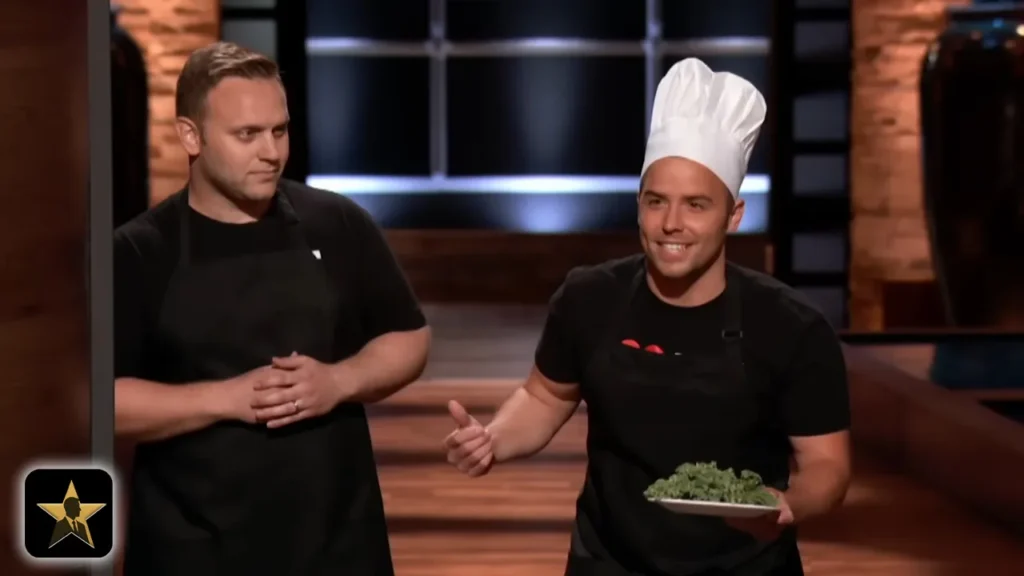
Fat Shack gained national exposure when Tom Armenti and Kevin Gabauer appeared on Shark Tank on May 12, 2019. They pitched for $250,000 in exchange for 7.5% equity, highlighting the brand’s lifetime sales of $22 million across 11 locations in three states: Colorado, Texas, and Washington.
The founders presented their signature “Fat Sandwiches,” oversized creations packed with fried items like chicken fingers, mozzarella sticks, fries, and jalapeño poppers. Their concept resonated with the Sharks because of its novelty, proven sales, and scalable franchise model.
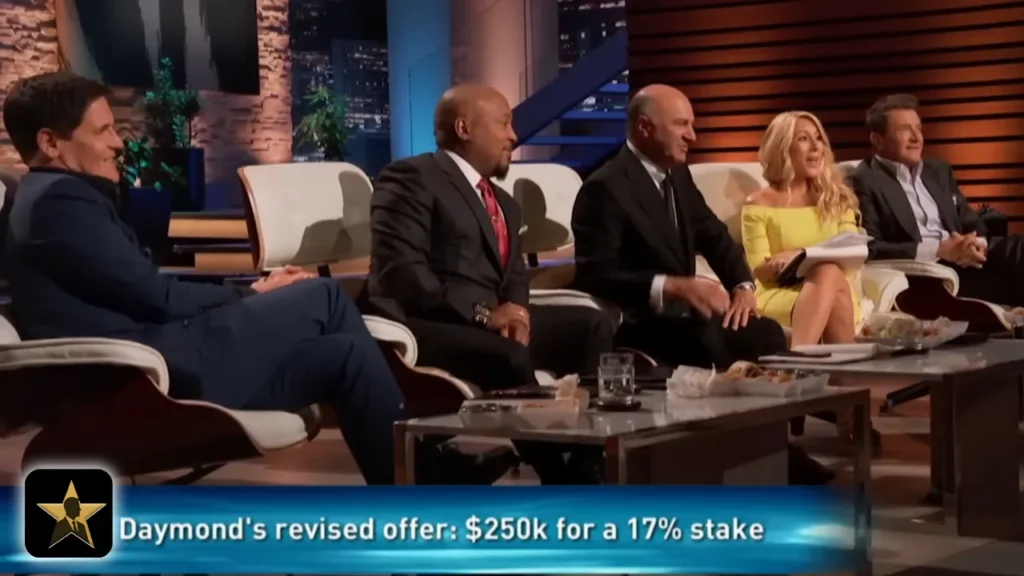
Four Sharks made offers, but Fat Shack ultimately accepted Mark Cuban’s counteroffer of $250,000 for 15% equity. Cuban’s investment provided not just capital but also mentorship, connections, and credibility that would help the brand scale nationally.
Also Read: Toymail Shark Tank Story
Founding and Early Origins of Fat Shack
Fat Shack’s story begins in February 2010 in Ewing, New Jersey, near The College of New Jersey. Tom Armenti, a college student at the time, had a simple vision: to provide affordable, late-night food for students. With under $5,000, funded largely through online poker winnings, he set up a small operation inside a shared bagel shop. The food was sold from 6 PM to 4 AM, catering to college students seeking a hearty, budget-friendly meal after classes or late-night parties.
The original menu featured oversized sandwiches stuffed with comfort foods like chicken fingers, mozzarella sticks, fries, and other fried indulgences. Inspired by Rutgers University’s legendary “grease trucks,” Armenti’s sandwiches quickly earned a following for their size, taste, and affordability.
In 2011, Armenti relocated to Fort Collins, Colorado, to open the first standalone Fat Shack location. This move marked a turning point, transitioning from a small shared space to a dedicated restaurant capable of broader operations and higher visibility.
Partnership and Early Growth
Tom Armenti’s college classmate, Kevin Gabauer, soon joined the venture. Gabauer’s expertise helped refine the menu, refresh branding, and simplify operations to make the business more scalable. Together, they opened a second location in Boulder, Colorado, just six months after Fort Collins.
By 2015, the duo launched their first franchise in Denver, near the University of Denver, signaling the start of interstate expansion. Denton, Texas, became their first out-of-state location, demonstrating the brand’s appeal beyond Colorado. The founders’ early focus on college towns and late-night operations positioned Fat Shack as a niche brand catering to a specific and loyal audience.
Immediate Impact After Shark Tank
The exposure from Shark Tank was almost immediate. Within 48 hours of the episode airing, Fat Shack received over 3,000 franchise inquiries. The founders quickly realized the need for a selective franchise process, carefully vetting candidates and piloting sites to ensure sustainable growth.
Mark Cuban’s mentorship proved invaluable, particularly in Texas, where his local connections helped Fat Shack expand successfully in the Fort Worth area. Armenti personally managed late-night shifts at the Texas locations when needed, ensuring quality control and maintaining the brand’s reputation during critical growth periods.
Expansion and Locations in 2025
At the time of the Shark Tank pitch, Fat Shack had 11 locations. By mid-2025, the brand had grown to 29–31 locations across 13–14 states. The franchise has expanded into Colorado, Florida, Georgia, Illinois, Kansas, Missouri, Nevada, Oklahoma, Oregon, Pennsylvania, Tennessee, Texas, and Washington.
New locations in 2025 include Sioux Falls, South Dakota, and Melbourne, Florida. The company achieved remarkable growth even during challenging economic times, including a 33% increase in the number of locations in 2020 alone. Fat Shack’s focus on college towns and urban areas with high late-night foot traffic has been a key factor in this success.
Financial Performance and Sales Growth
Fat Shack’s financial trajectory has been impressive. Pre-Shark Tank, lifetime sales reached $22 million. Following the deal with Mark Cuban, revenue growth accelerated, surpassing $22 million within a few years. Since 2018, Fat Shack has maintained an average annual sales growth of 26%.
Each location averages approximately $620,000 in annual sales. This consistency, combined with the increasing number of franchise locations, suggests that the total earnings since the Shark Tank deal likely exceed dozens of millions of dollars. The franchise model has been instrumental in creating a scalable, high-margin business with predictable cash flow.
Fat Shack Net Worth 2025
As of 2025, Fat Shack’s net worth is estimated to be around $17.5 million. This valuation accounts for the 30+ franchise locations, ongoing expansion, and sustained sales growth.
Historical context shows the company’s financial evolution: immediately post-Shark Tank, estimates of Fat Shack’s worth ranged between $1 million and $1.7 million. By late 2024, the brand’s valuation had reached around $14 million. The continued addition of locations, marketing campaigns, and engagement strategies contributed significantly to the increase in net worth.
It’s important to note that Fat Shack remains privately held, meaning its valuation is based on estimated revenue, franchise agreements, and brand potential rather than publicly traded stock performance.
Menu and Business Model
Fat Shack’s menu is at the heart of its popularity. The brand specializes in “Fat Sandwiches,” oversized meals stuffed with indulgent ingredients such as cheesesteak, mac ‘n’ cheese, bacon, jalapeño poppers, chicken fingers, mozzarella sticks, and fries. These sandwiches are designed for both taste and novelty, creating social media buzz and loyal repeat customers.
In addition to Fat Sandwiches, the menu includes burgers, wings, and late-night delivery options. In early 2025, the brand introduced value items like “Fat Stacks” priced at $5.99 and complimentary value fries with certain orders. The business model emphasizes college towns and urban locations, maximizing visibility and accessibility while promoting a fun, indulgent brand image.
2025 Milestones and Promotions
Fat Shack celebrated its 15th anniversary in February 2025 with monthly promotions, including selling one item for just 15 cents on the 15th of each month. Other notable campaigns include the “Fat Sack Challenge,” which invites customers to consume 5,000 calories in 15 minutes for a $50 gift card, with a main live-streamed event offering a $5,000 prize.
The brand is also active on social media, running giveaways, 4/20-themed promotions, and collaborating with delivery platforms like DoorDash and Grubhub. These strategies have strengthened Fat Shack’s connection with its target audience and maintained relevance in a competitive food market.
Franchising and Operations
Franchising is central to Fat Shack’s growth strategy. The brand provides prospective franchisees with two-week initial training at corporate locations to ensure operational and branding consistency. The Franchise Disclosure Document (FDD) indicates no major lawsuits or bankruptcies, demonstrating a clean operational history.
Fat Shack’s franchise model focuses on lean operations, strategic site selection, and community engagement. Many franchise owners are promoted internally, often starting as employees before moving into ownership roles. This internal growth strategy fosters loyalty and ensures franchisees understand the brand’s culture and operational standards.
Recognition and Industry Impact
Fat Shack has earned recognition as one of the fastest-growing restaurant concepts in the United States. Its niche appeal—oversized, indulgent sandwiches with late-night availability—has created a unique market position that is difficult for competitors to replicate.
The success is attributed to several key factors:
- Founder Grit: Tom Armenti’s hands-on involvement in operations and quality control.
- Shark Tank Exposure: National visibility that generated franchise inquiries and credibility.
- Strategic Franchising: Careful selection and training of franchisees to maintain brand integrity.
- Niche Targeting: Focusing on college towns and urban areas with high late-night foot traffic.
- Innovative Marketing: Social media campaigns, live-streamed challenges, and promotions.
With Mark Cuban’s mentorship and ongoing guidance, Fat Shack continues to expand steadily without major setbacks, maintaining its position in the competitive restaurant industry.
Challenges and Future Outlook
While Fat Shack’s growth has been impressive, future challenges include market saturation in certain regions, competition from other fast-casual chains, and maintaining consistent quality across multiple franchise locations. However, the company’s structured growth strategy, strong franchise pipeline, and focus on community engagement provide a solid foundation for continued expansion.
The brand’s future outlook remains promising, with potential new markets across the Midwest and Southeast United States. Innovations in menu items, digital ordering, and delivery partnerships will likely support revenue growth while maintaining the brand’s unique appeal.

Lessons from Fat Shack’s Success
Fat Shack’s journey offers valuable lessons for aspiring entrepreneurs and franchise operators:
- Start Small, Think Big: Armenti began with under $5,000 but had a scalable vision.
- Leverage Unique Appeal: Identifying a niche, like late-night indulgent food, can create loyal customers.
- Partner Strategically: Kevin Gabauer’s operational expertise complemented Armenti’s vision.
- Capitalize on Exposure: Shark Tank was pivotal in accelerating growth and generating franchise interest.
- Focus on Franchising: Controlled expansion ensures quality, consistency, and long-term profitability.
- Engage Customers Creatively: Promotions, social media, and challenges maintain brand excitement.
Also Read: ZipString Net Worth 2025 Shark Tank Update
Fat Shack Net Worth Comparison Over the Years
To contextualize Fat Shack’s growth, here’s a summary of its estimated net worth progression:
| Year | Net Worth Estimate | Key Milestone |
|---|---|---|
| 2010 | <$5,000 | Original late-night operation in New Jersey |
| 2011 | ~$50,000 | First standalone location in Fort Collins |
| 2015 | ~$500,000 | First franchise opens in Denver |
| 2019 | $1M–$1.7M | Post-Shark Tank deal with Mark Cuban |
| 2024 | ~$14M | Expansion to 29 locations, continued revenue growth |
| 2025 | ~$17.5M | 30+ locations, sustained franchise sales, new promotions |
Final Thoughts
Fat Shack’s journey from a small late-night food idea to a growing national franchise is truly impressive. The brand’s success comes from its tasty sandwiches, smart business choices, and Shark Tank exposure. With over 30 locations and a strong fan base, Fat Shack continues to grow steadily. Its story shows how creativity, hard work, and good partnerships can turn a small idea into a big success.