
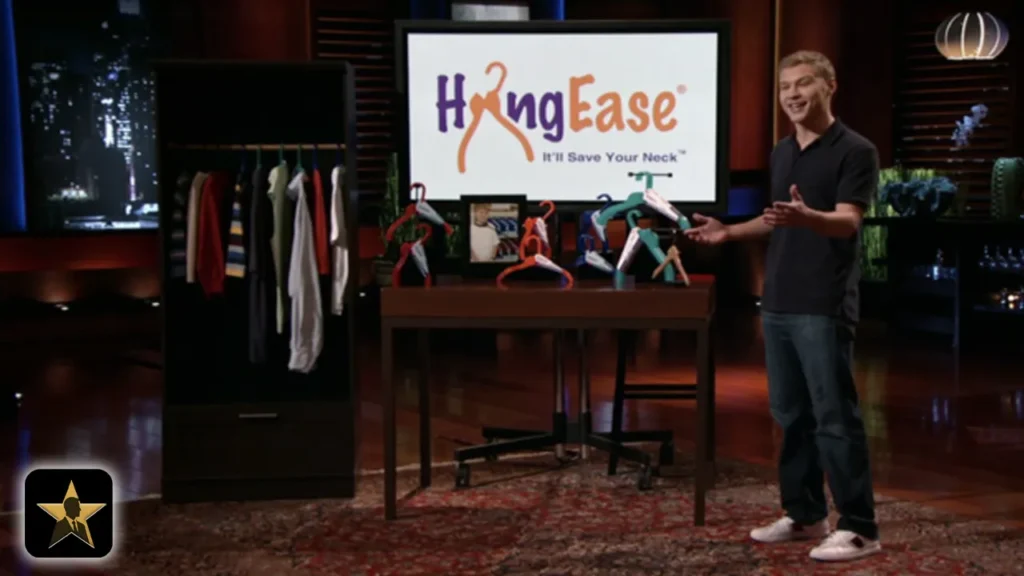
HangEase gained huge attention on Shark Tank for its simple yet smart idea a collapsible hanger that prevents clothes from stretching and makes hanging easier. Invented by Ryan Landis when he was just a child, the product quickly stood out for solving a common household problem in a creative way.
The company once had strong sales, a Walmart deal, and even a Shark Tank offer that valued it at around $266,000. At its peak, HangEase was estimated to be worth nearly $1 million, but by 2025, its net worth dropped to $0 after the business shut down. In this update, we’ll share valuable details about its journey, financial history, and what the founder is doing today.
What Is HangEase?
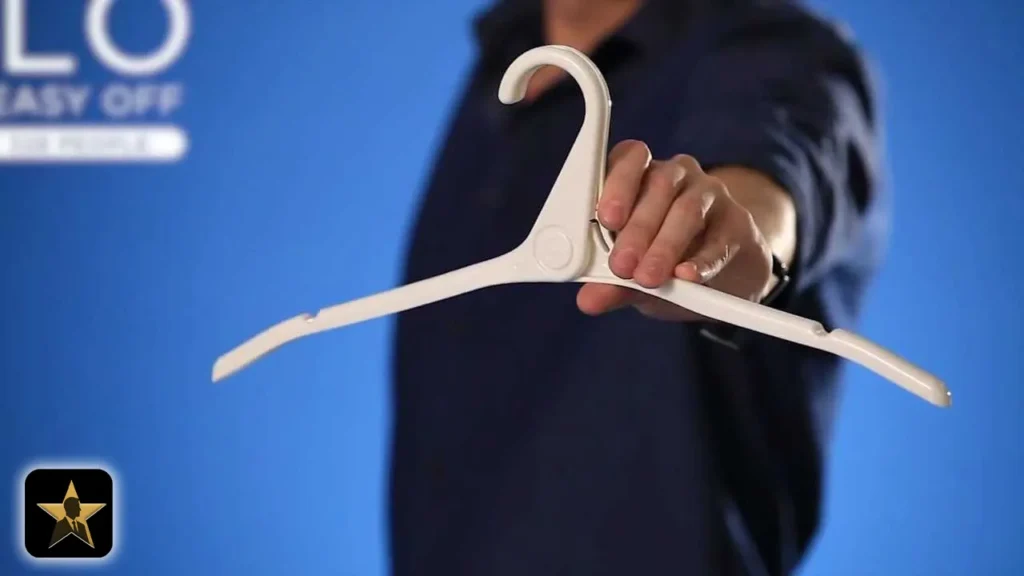
HangEase is a collapsible plastic clothes hanger designed to make hanging and removing clothes easier without stretching or damaging the fabric. It has a hinged center that allows the arms to fold inward, making it simple to slide clothes on and off. The design also prevents marks on necklines and shoulders, keeping garments neat and wrinkle-free.
The product was initially sold in four-packs for around $4 and became popular for its clever, child-friendly innovation. HangEase was made to solve a common household problem in a simple and affordable way, making it a practical product for everyday use.
Also Read: ZipString Net Worth 2025 Shark Tank Update
Who Is the Founder of HangEase?
The founder of HangEase is Ryan Landis from Plano, Texas. He came up with the idea for the collapsible hanger when he was just 8 years old as part of a third-grade school project called the Invention Convention. Ryan was inspired after seeing his mother struggle with traditional hangers that often stretched or damaged clothes.
As he grew older, Ryan continued to improve his idea and eventually turned it into a small business. By the time he appeared on Shark Tank, he was 19 years old, had completed his undergraduate degree, and was pursuing an MBA at Rice University. His creativity, combined with a strong understanding of business, helped him bring his childhood invention to national attention.
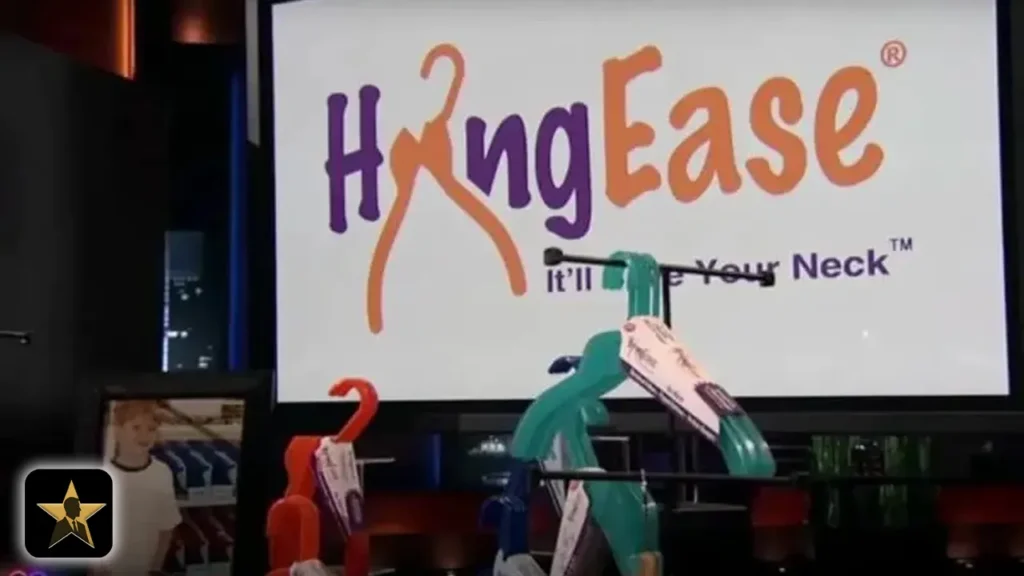
The Story Behind the Invention
The story of HangEase began when Ryan Landis was just a third-grader with a big imagination. He wanted to create something that could make daily chores easier, and while observing his mother struggle to hang clothes without stretching them, he found his inspiration. This simple observation led to the birth of a collapsible hanger that solved a real problem in households.
Ryan built the first prototype using basic materials for his school’s Invention Convention. His idea quickly impressed teachers, parents, and even local businesses for its creativity and usefulness. What started as a school project soon turned into a promising business concept with real-world potential.
Encouraged by early support, Ryan continued to refine his design and filed for a patent, which was officially granted in 2007. His young age and determination made his story truly inspiring a child’s clever idea that evolved into a marketable product with national recognition.
HangEase on Shark Tank: The Big Moment
Ryan Landis appeared on Season 5, Episode 27 of Shark Tank, which aired on April 18, 2014. At just 19 years old, he pitched HangEase with confidence and shared how his childhood invention became a real business. Ryan asked for $80,000 in exchange for 30% equity, valuing his company at $266,667. He demonstrated how the collapsible hanger worked and highlighted its potential in retail markets.
The Sharks were intrigued by his young age and early success story. Ryan revealed that Walmart once ordered 400,000 units of HangEase, earning him $70,000 personally. While some Sharks, like Robert Herjavec and Kevin O’Leary, chose not to invest, Mark Cuban saw promise and teamed up with Lori Greiner to offer $80,000 for 30%, contingent on patent verification. Ryan accepted the deal on air, marking a major milestone for HangEase.
Shark Reactions and Deal Outcome
The Sharks had mixed reactions during the pitch:
- Robert Herjavec was the first to drop out, saying he didn’t see a strong market for a “fancy hanger.”
- Kevin O’Leary called the idea too simple to build a big business around.
- Barbara Corcoran criticized Ryan for pausing the business for so long, saying momentum is key in entrepreneurship.
But Mark Cuban saw potential and offered $80,000 for 30% equity, provided that the patent was valid and defensible. He invited Lori Greiner to join him because of her expertise in retail and QVC sales.
Ryan accepted the offer on air but unfortunately, the deal never closed after the show due to patent concerns and other business complications.
What Happened After Shark Tank
Even without a completed deal, HangEase got a temporary boost from Shark Tank exposure. After the episode aired, there was a spike in online searches and small sales from viewers who wanted to try the product.
Lori Greiner reportedly helped list HangEase on QVC for a short time, and some retail stores also restocked small quantities. However, this short burst of attention faded quickly.
By 2016, HangEase had an estimated valuation of around $1 million, but it couldn’t maintain the momentum. Lack of consistent marketing, limited production, and growing competition from similar hangers pushed the company into decline.
HangEase Net Worth
| Year | Estimated Valuation | Key Details |
|---|---|---|
| Hang Ease Hangers Net Worth 2006 | ~$200,000 Revenue | Walmart sold 400,000 units |
| 2014 | $266,667 | Shark Tank valuation during pitch |
| 2016 | ~$1 million (unconfirmed) | Temporary post-show spike |
| 2020 | Business Declined | No retail activity |
| 2025 | $0 Net Worth | Company closed, no operations |
Reasons Why HangEase Failed
Despite its clever design and early success, HangEase faced several challenges that led to its decline. The product could not sustain long-term growth due to a combination of business and market factors.
- Shark Tank Deal Did Not Close: The investment from Mark Cuban and Lori Greiner fell through due to patent issues.
- Weak Patent Protection: Competitors were able to copy the design easily.
- Lack of Marketing: Minimal promotion made it hard to attract new customers.
- Over-Reliance on Walmart: Failure to secure repeat orders caused major revenue drops.
- Founder’s Limited Focus: Ryan divided attention between education, career, and the business.
- Highly Competitive Market: Cheaper alternatives and knockoffs crowded the hanger market.
Lessons Future Entrepreneurs Can Learn
HangEase’s journey offers important insights for anyone starting a business. Even a great idea needs strong execution, focus, and strategy to succeed.
- Protect Your Idea: Ensure patents or trademarks are strong and enforceable.
- Focus on Marketing: A useful product needs promotion to reach customers.
- Diversify Sales Channels: Don’t rely on a single retailer or platform.
- Commit Full-Time: Entrepreneurship requires dedication and attention.
- Build Strong Partnerships: Mentorship and investors can provide crucial support.
- Plan for Competition: Prepare for copycats and pricing challenges in the market.
Why Did HangEase Go Out of Business?
HangEase went out of business due to a combination of challenges that prevented it from sustaining growth. Despite its clever design and early success, the company faced difficulties in multiple areas.
- Shark Tank Deal Did Not Close: The on-air offer from Mark Cuban and Lori Greiner fell through, which deprived HangEase of investment and mentorship.
- Patent and Competition Issues: Although patented, the design was copied easily, and cheaper alternatives entered the market.
- Limited Marketing Efforts: Without strong promotion, the product struggled to reach new customers beyond its initial exposure.
- Over-Reliance on Walmart: Failure to secure repeat orders from major retailers caused revenue drops.
- Founder’s Divided Focus: Ryan Landis was busy with education and a corporate career, leaving little time for business operations.
Also Read: Toymail Shark Tank Story
Where Is Ryan Landis Now?
After HangEase shut down, Ryan Landis continued his education and career. He completed his MBA at Rice University and began working in merchandising and retail management.
According to recent updates, Ryan has worked with major brands like Neiman Marcus and JCPenney, holding senior-level positions in product planning and buying.
While HangEase may have ended, Ryan’s journey in the business world didn’t. He used the lessons learned from his early invention to build a successful professional career in retail.
Frequently Asked Questions
HangEase is a collapsible plastic clothes hanger that prevents stretching and marks on garments, making it easier to hang and remove clothes safely.
HangEase was invented by Ryan Landis from Plano, Texas, when he was just 8 years old for a school invention project.
Yes, Ryan accepted an on-air offer from Mark Cuban and Lori Greiner for $80,000 in exchange for 30% equity, but the deal did not close after the show.
HangEase reportedly reached an estimated peak valuation of around $1 million, but this value declined over time due to various challenges.
As of 2025, HangEase is out of business with a net worth of $0, and the product is no longer available in stores or online.
Final Thoughts
HangEase was a clever and useful invention that showed how a simple idea can solve everyday problems. Despite early success and national attention on Shark Tank, the business could not sustain itself. Challenges like competition, weak patent protection, and limited marketing led to its closure. Today, HangEase’s net worth is $0, but it remains a memorable story of creativity and entrepreneurship.